

Once these adjustments have been included in the trial balance, the accountant can proceed with the preparation of the financial statement. The trial balance will be prepared again to make sure the accounts balance after the adjustments are done – the adjusted report. This means it is the report printed and saved before the accountant has prepared the annual financial statements and tax what is a trial balance returns. Trial balances are prepared to confirm the mathematical accuracy of all recorded transactions in an account period. The trial balance is a mathematical proof test to make sure that debits and credits are equal. Most accounting software will let you generate a trial balance at any point in time to allow you to assess the current state of your accounts and spot discrepancies before they become larger issues.
Typical Debit and Credit Account Types
Preparing a trial balance is an integral part of the accounting cycle and closing your books. You should prepare trial balance reports at the end of each reporting period. That way, your books are accurate and updated (which could save you from audits and penalties). While a trial balance is a crucial step in the accounting cycle, it should not be considered a foolproof method for detecting all errors.
Adjusted
This report plays a pivotal role in the accounting cycle, as the final step before preparing financial statements. It serves as a tool for accountants and business owners to verify the accuracy of bookkeeping entries and identify potential errors that may have occurred during the accounting period. Furthermore, understanding the trial balance in accounting is essential for error detection, financial reporting, and informed decision-making. A balanced trial balance signifies a solid base for preparing accurate financial statements and analyzing a company’s financial health. After the financial statements are prepared and closing entries are posted, the post-closing trial balance is created. This step ensures that all temporary accounts (revenue, expenses, dividends) are closed, leaving only permanent accounts like assets, liabilities, and equity.
Listing of Debits and Credits by Account
- It ensures that all general ledger accounts have equal debit and credit totals, as double-entry bookkeeping requires.
- The goal is to confirm that the sum of all debits equals the sum of all credits and identify whether any entries have been recorded in the wrong account.
- Another trial balance is created after any entry adjustments, and it includes any changes made in new columns.
- Both internal and external auditors use the trial balance to determine which accounts to dig deeper into.
- In other words, it’s a summation of all of the financial transactions that have occurred during that stage.
The trial balance does not list each transaction your business made under the accounts. The purpose of trial balance is to find errors and fix them so your accounting books are accurate. A trial balance is considered important because it acts as a precursor to financial statement preparation, providing a litmus test for the transactional accuracy recorded in the general ledger.
- In this situation the total of the debit balances would still be $31,500.
- Since each transaction was journalized in a way that insured that debits equaled credits, one would expect that this equality would be maintained throughout the ledger and trial balance.
- This ensures that your books are correct and that you can withstand a financial audit.
- This will significantly alter the accuracy of your completed trial balance and cost you valuable time chasing down your mistake.
- After closing all general ledger accounts, the trial balance is prepared at the end of the financial year.
However, some businesses prepare trial balances as an internal check before issuing official financial statements. During the accounting cycle, accountants use the trial balance report to ensure the books balance for debits and credits by double-entry bookkeeping. The trial balance documents adjusting and closing entries to the general ledger accounts before closing the http://chandpursamachar24.com/news/176869/ books and preparing financial statements. • Prepare trial balances at the end of each accounting period to verify that total debits equal total credits, catching mathematical errors before creating financial statements.

- Unadjusted trial balance reports are created after journal entries have been posted to the general ledger.
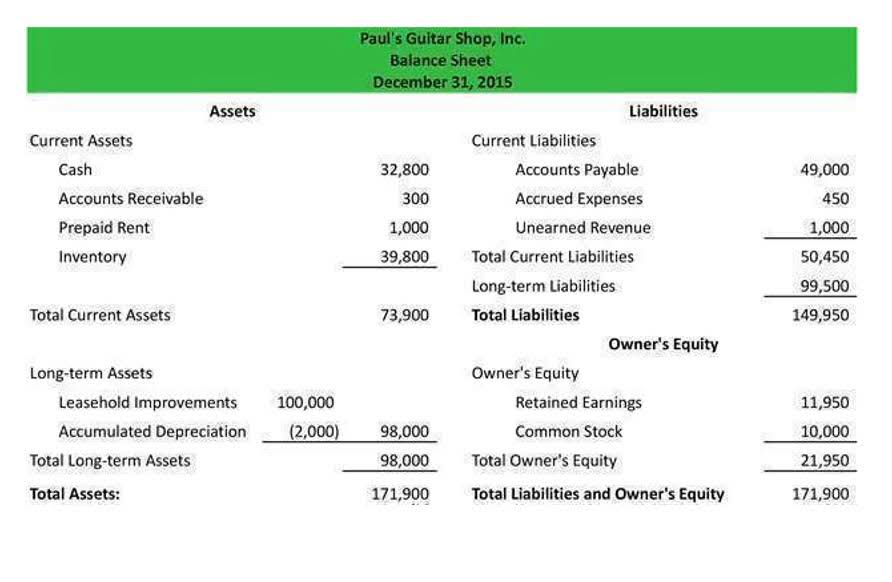
- The information from the trial balance is used to prepare the balance sheet.
- Again, this is simply a sum of all the debits of your accounts for that period.
- A balance sheet should be prepared annually and distributed to investors or relevant financial institutions.
- Typically prepared after numerous entries have been posted, this report totals all debits and credits to help you identify any recording errors.
The trial balance includes balance sheet and income statement accounts. The trial balance is prepared after the subsidiary journals and journal entries have been posted to the general ledger. Trial Balance is a list of closing balances of ledger accounts on a certain date and is the first step towards the preparation of financial statements. It is usually prepared at the end of an accounting period to assist in the drafting of financial statements.

Trial balance vs. general ledger
- Trial balances are prepared to confirm the mathematical accuracy of all recorded transactions in an account period.
- Keep in mind, this does not ensure that all journal entries were recorded accurately.
- Next, you’ll transfer the closing balances from your ledger to your trial balance.
- Next up is editing the information before we can publish our story in financial statements.
- To complete the switch, run the trial balance from the old software and enter the figures as the opening balances in the new software.
The trial balance is run as part of the month-end closing process. The post-closing trial balance contains only balance sheet accounts, as contribution margin all temporary accounts (revenue, expenses, and dividends) have been closed to the retained earnings account. The purpose of this type of report is to verify that the debits and credits are equal after the closing process and that the company is ready to begin the next accounting period. In a double-entry accounting system, you record your debits and credits in separate columns on your general ledger. For instance, you register a transaction when it occurs, then record the same transaction once you receive payment. The trial balance simply records all of the transactions listed in your general ledger accounts on a separate spreadsheet so you can ensure that your journal entries are balanced and accurate.

